
 FR
FR
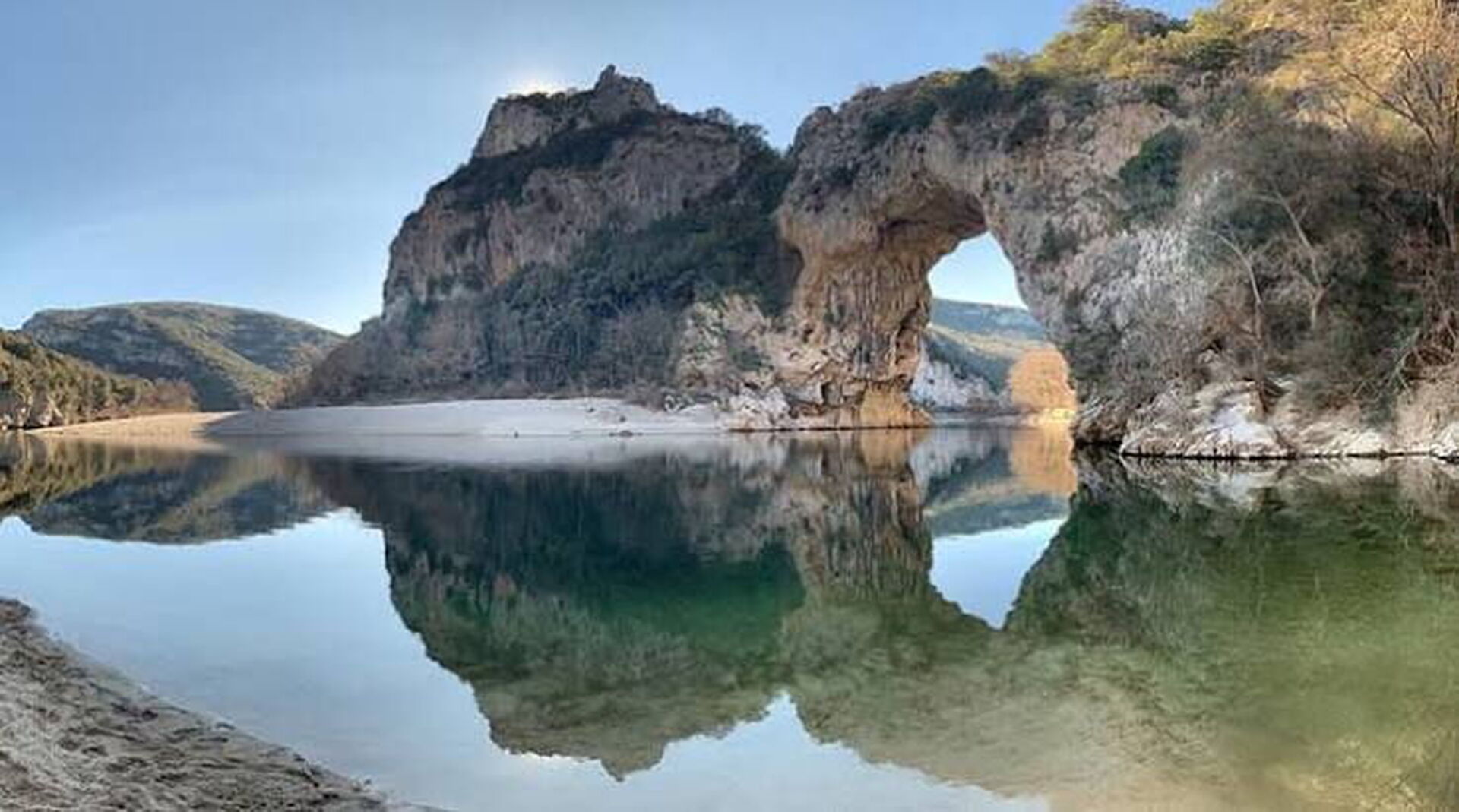
The Pont d'Arc: the complete guide to seeing it, reaching it and paddling under it
A monumental natural arch spanning the Ardèche, the Pont d'Arc is the emblem of the department and the gateway to the famous gorges. Here is everything to discover it: how to see it from the viewpoint, reach it, swim there and experience paddling under the arch by canoe.
What is the Pont d'Arc?
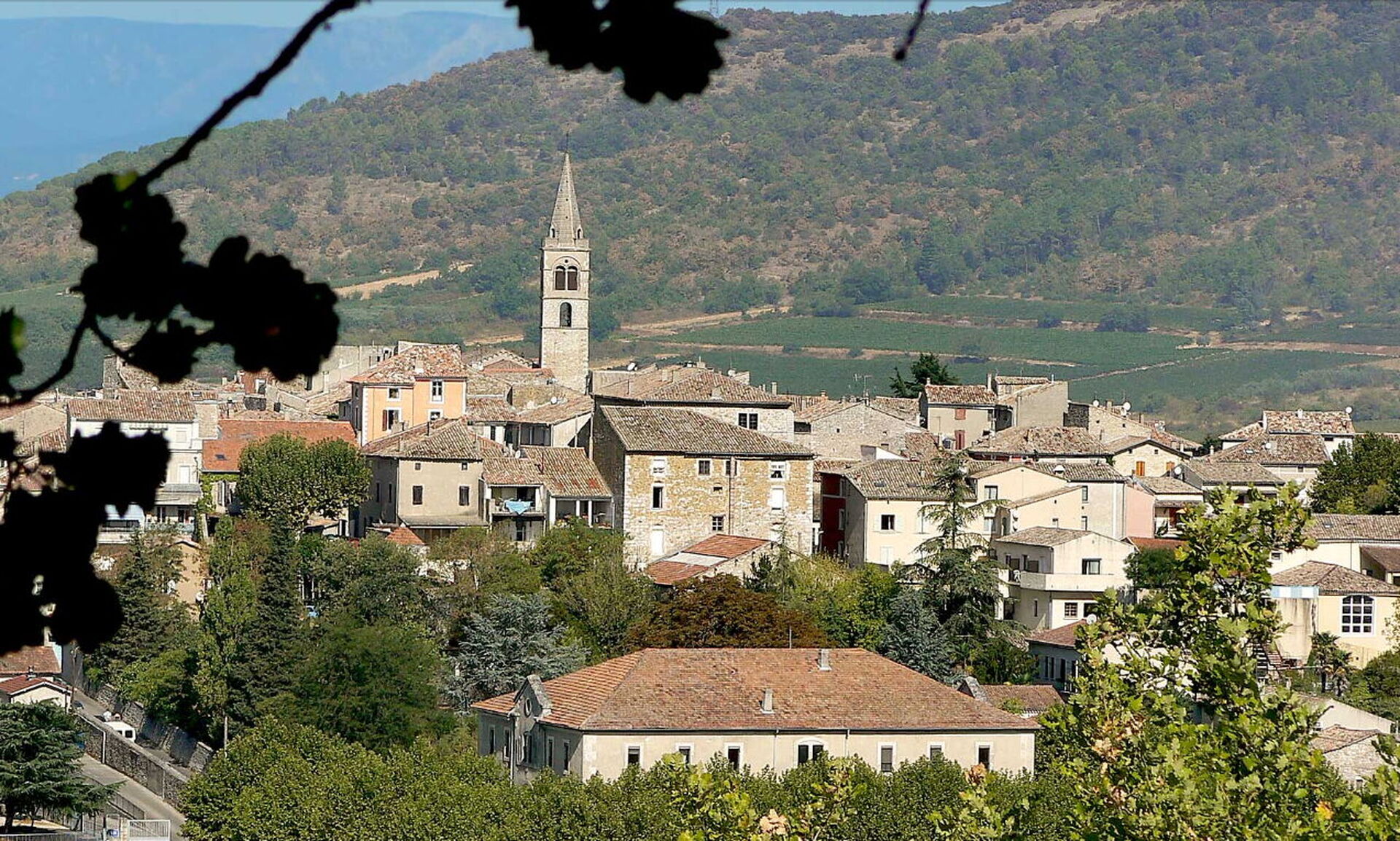
The Pont d'Arc is a natural arch carved into the limestone by the river Ardèche, just downstream of Vallon-Pont-d'Arc. It marks the entrance to the Ardèche gorges and remains the most photographed site in the department. In a few figures:
- About 60 metres wide and 34 metres high above the water.
- Formed over nearly 124,000 years, by the cut-off of a meander.
- Located at Vallon-Pont-d'Arc, at the entrance to the Ardèche gorges.
- Listed as a Grand Site de France, with free and open access.
- A stone's throw from the Chauvet Cave and its replica, Chauvet 2.
How to see the Pont d'Arc: viewpoint, beach and from the water
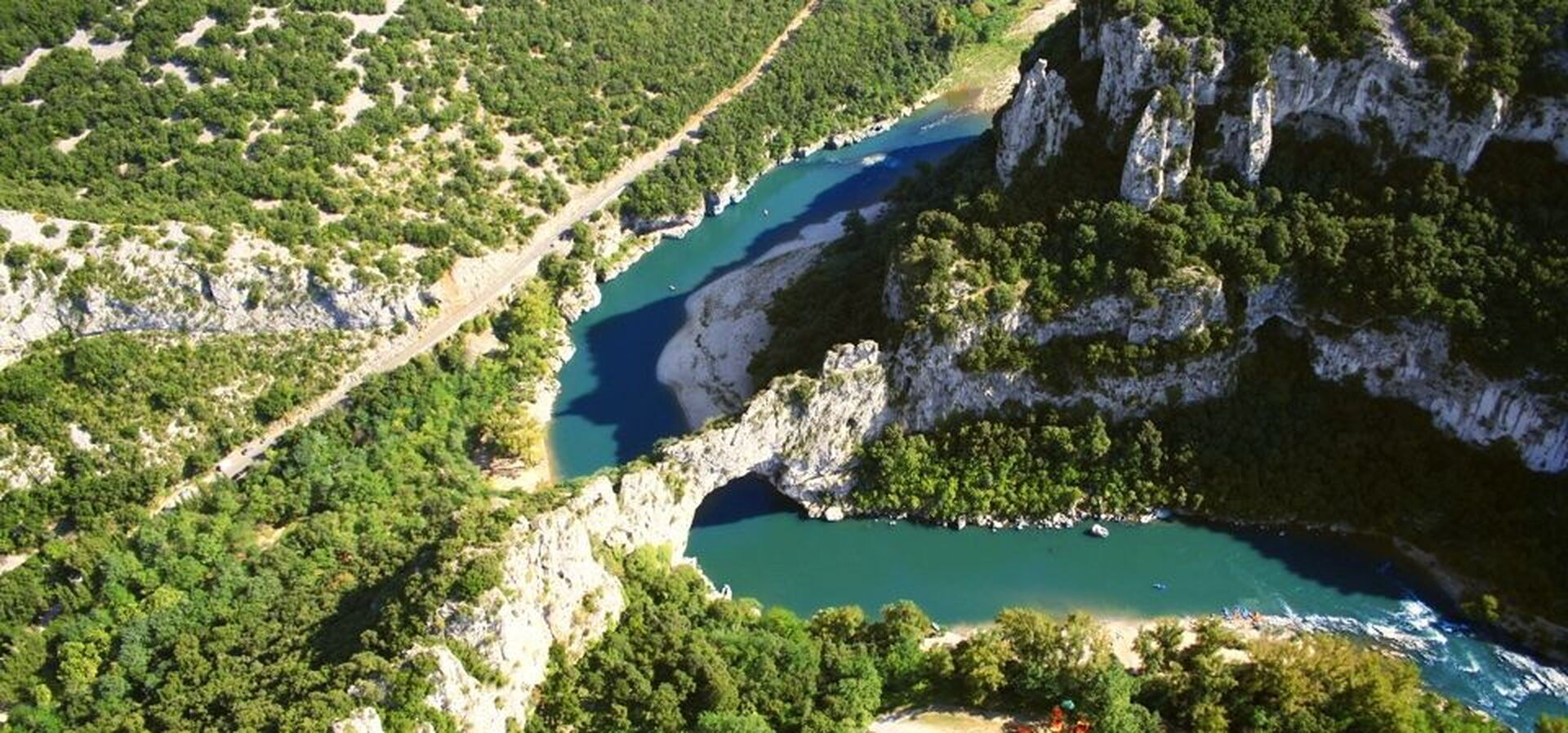
There are three ways to discover the Pont d'Arc, each with its own feel:
| How to see it | Access | The experience |
|---|---|---|
| From the viewpoint | By car, on the gorges road | Panoramic view from above, ideal for photos |
| From the beach | On foot, via the free shuttle | At the foot of the arch, swimming possible |
| By canoe | At the start of the descent | Paddling under the arch, the most spectacular angle |
The viewpoint offers the famous plunging view over the arch and the meander. The beach, at the foot of the Pont d'Arc, lets you get as close as possible and swim in clear water. But it is from a canoe, gliding under the arch, that the site truly reveals itself. To plan your swimming day, see our guide to the best swimming spots in the Ardèche.
Access, parking and shuttle
The Pont d'Arc is easily reached from Vallon-Pont-d'Arc:
- The site car park is chargeable in season, near the beach.
- A free shuttle serves the Pont d'Arc from the Vallon tourist office in July and August.
- The Pont d'Arc car park is not free, but the shuttle avoids parking there in peak season.
- Allow a few minutes on foot from the car park or shuttle stop to the beach.
Swimming at the Pont d'Arc
At the foot of the arch, the Pont d'Arc beach is one of the most popular in the Ardèche. You swim in clear water, facing a one-of-a-kind backdrop, on a pebble beach reachable on foot. Very busy in summer, it is best in the morning. Find all our swimming tips in our article on where to swim in the Ardèche.
Paddling under the arch by canoe
This is the experience not to miss: gliding under the 34 metres of the arch, on the water, with the rock towering over the canoe. From our Aventure Canoës base, the Pont d'Arc is reached at the very start of the descent. All our routes, from a half-day to two days, start upstream of the arch: you pass under it within the first few minutes.
- You paddle under the arch at the start of every one of our descents.
- A waterproof barrel is provided to keep your things dry.
- No height requirement: you pass sitting in the canoe.
Discover all our canoe trips and choose the route that suits you.
124,000 years of history: from formation to prehistory
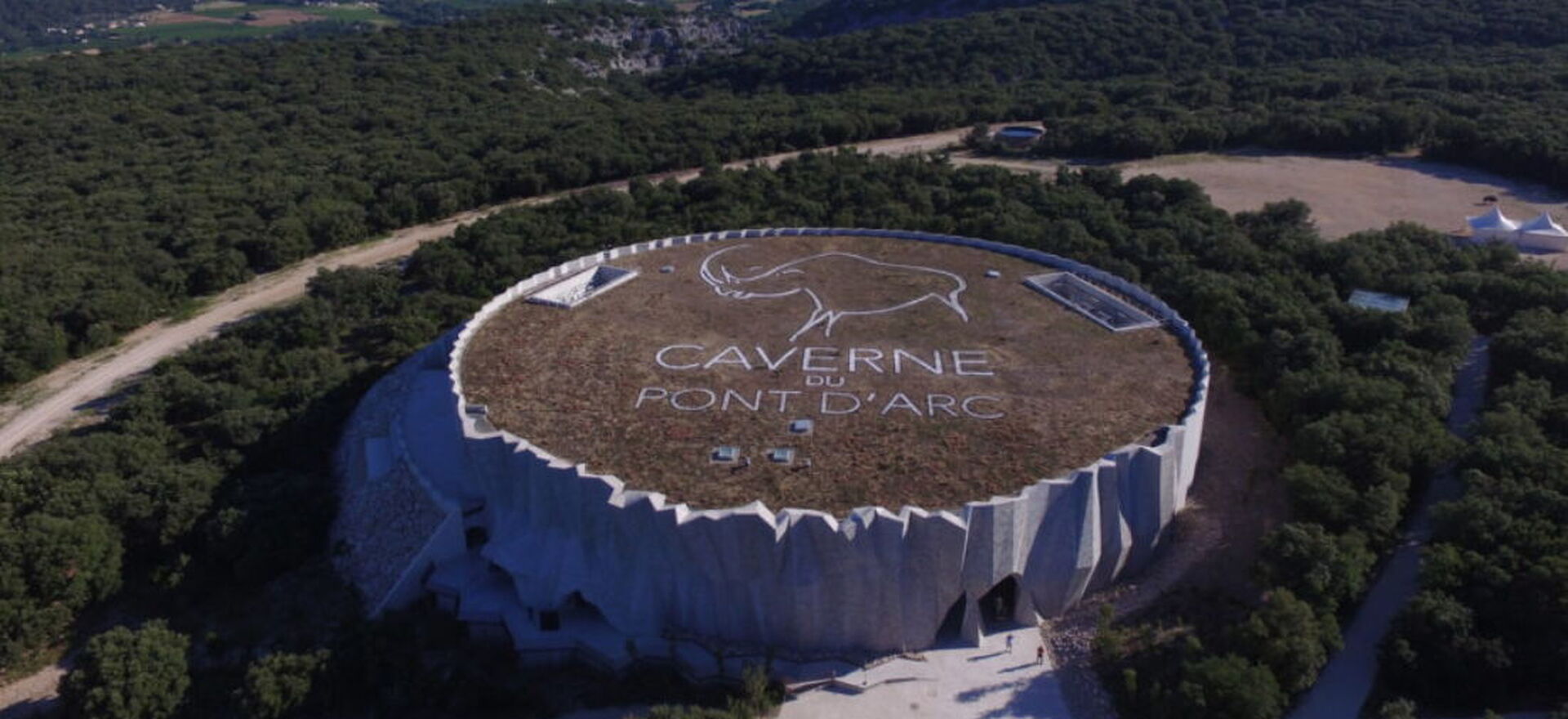
The Pont d'Arc has not always existed. For tens of thousands of years, the Ardèche flowed around a rocky spur before finally piercing it: this meander cut-off gave birth to the arch around 124,000 years ago. Prehistoric people were already here: a few hundred metres away, the Chauvet Cave holds paintings 36,000 years old, now recreated in the Chauvet 2 replica. The Romans called it the "Pons naturalis". A site as rich in history as in beauty.
What to see around the Pont d'Arc
The Pont d'Arc pairs easily with the other gems of the area:
The Vallon-Pont-d'Arc market
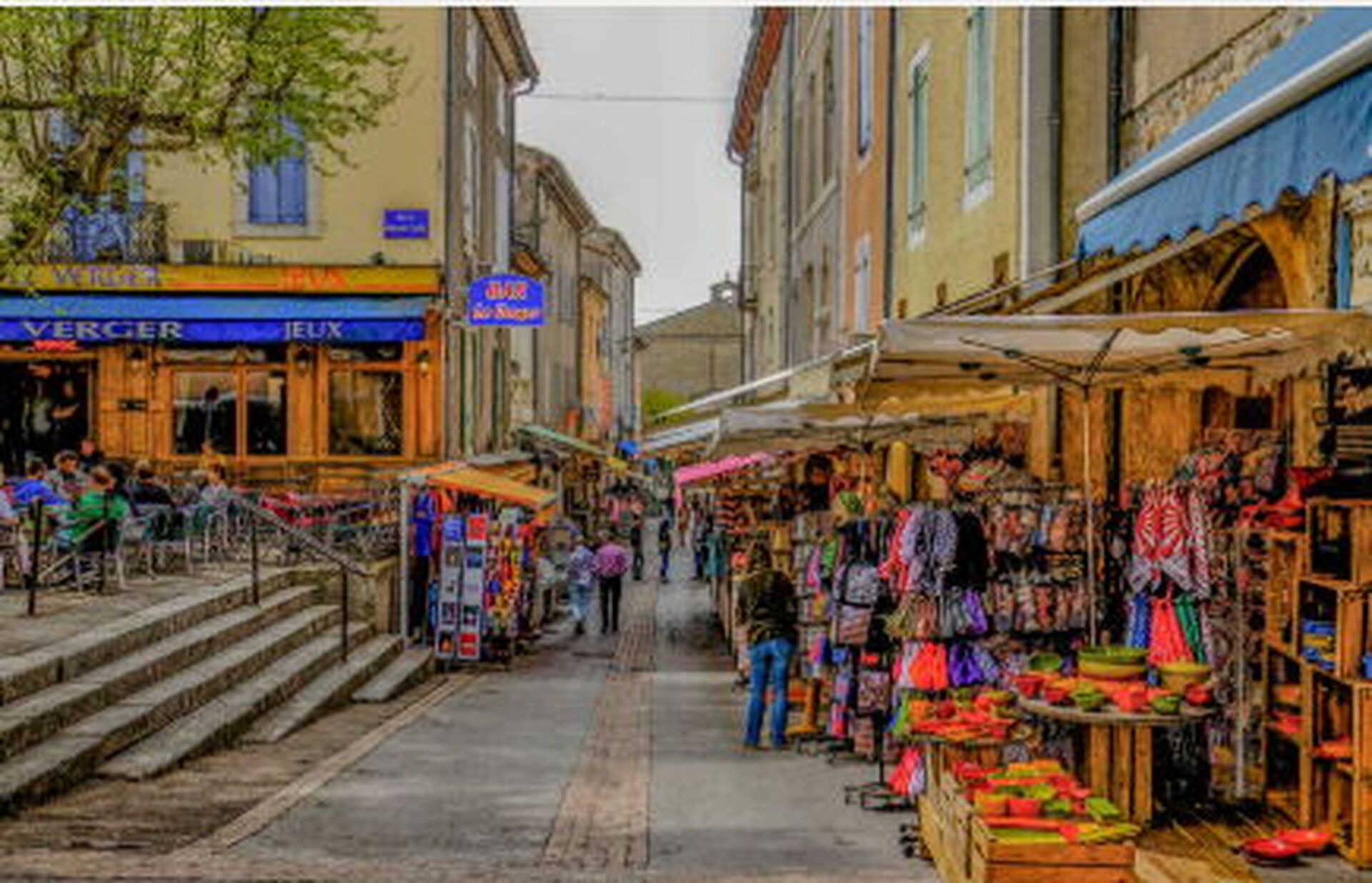
A stone's throw from the arch, the village of Vallon holds its market on Thursday mornings, with a night market on Tuesday evenings in summer. Discover it in our guide to the markets of Vallon-Pont-d'Arc.
The Aven d'Orgnac and Chauvet 2 caves
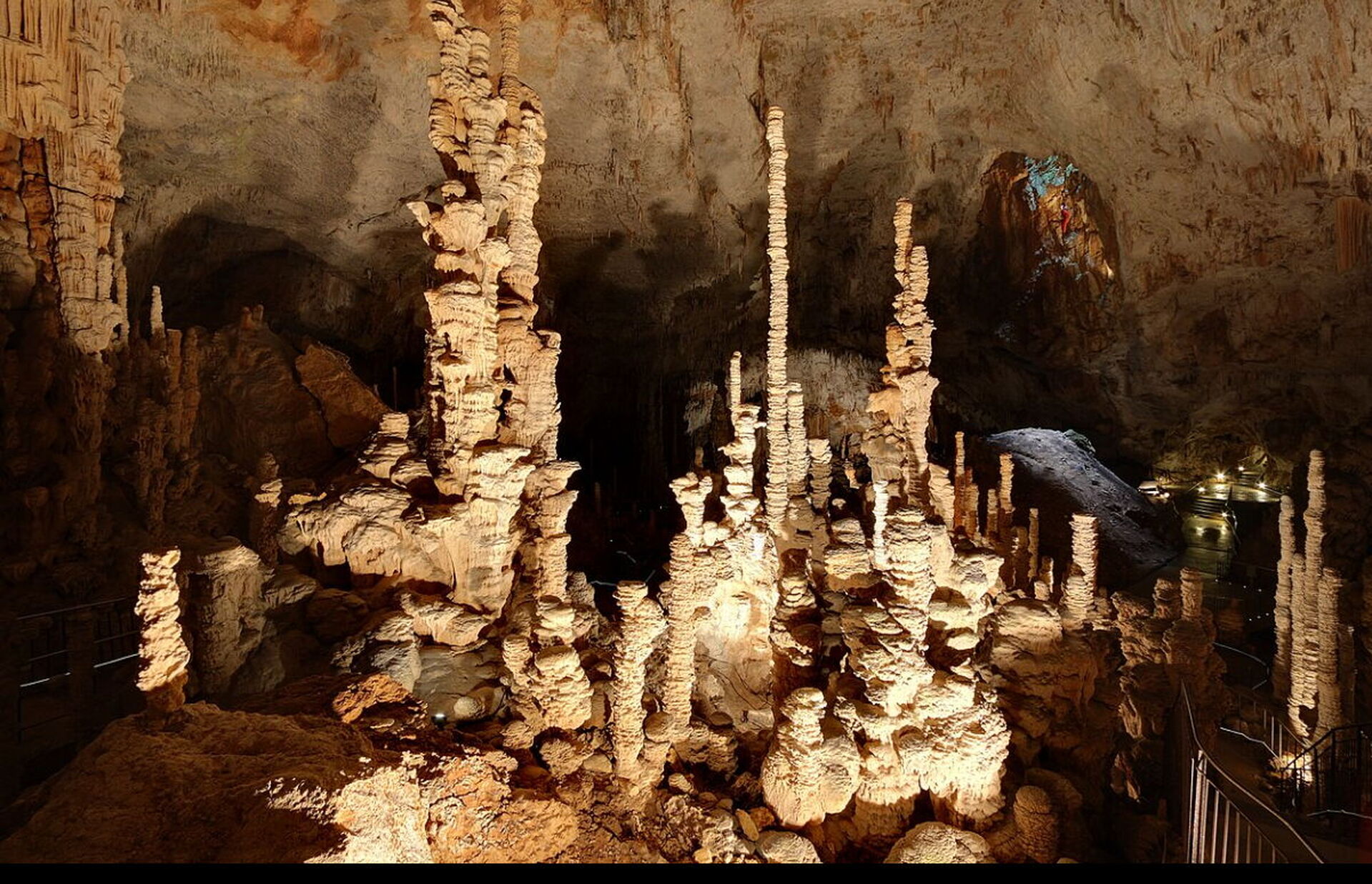
To extend your visit, the Aven d'Orgnac and its vast cave, along with the Chauvet 2 replica and its prehistoric frescoes, make a great outing on rainy days or alongside a descent. Fancy villages of character? See our pick of the most beautiful villages in the Ardèche.
Our practical tips
- Come early: the site is packed at midday in summer.
- Bring water shoes for the pebble beach.
- Take water, sun cream and a hat; shade is scarce.
- Your things stay dry in the waterproof barrel provided with the canoe.
- Respect the nature reserve: no litter, no soap in the river.
Before you set off, check the Ardèche water level and discover canoeing the Ardèche gorges. See all our canoe trips and our prices to plan your day.
Frequently asked questions about the Pont d'Arc
Is paddling under the Pont d'Arc chargeable?
Can you park for free at the Pont d'Arc?
Is the Pont d'Arc at risk of collapsing?
When is the best time to see the Pont d'Arc?
Sources
- Réserve Naturelle des Gorges de l'Ardèche: site and regulations.
- Chauvet 2 – Ardèche: prehistory and the Chauvet Cave.
- Pont d'Arc Tourist Office: access and shuttle.


